
Korean-Speaking Immigration Lawyer in Georgia: Why Language Matters
If you or someone you know is searching for a Korean-speaking immigration lawyer in Georgia, there's a very specific reason behind that search — and it goes beyond convenience.
Legal cases hinge on precision. A single misunderstood word, a nuance lost in translation, or a document interpreted incorrectly can alter the outcome of an immigration case. For Korean-speaking clients in Gwinnett County and across the Greater Atlanta area, finding an attorney who communicates in your language isn't a luxury — it's a meaningful strategic advantage.
Here's why language matters so much in immigration law, and what to look for when choosing representation.
Gwinnett County Has One of the Largest Korean Communities in the U.S.
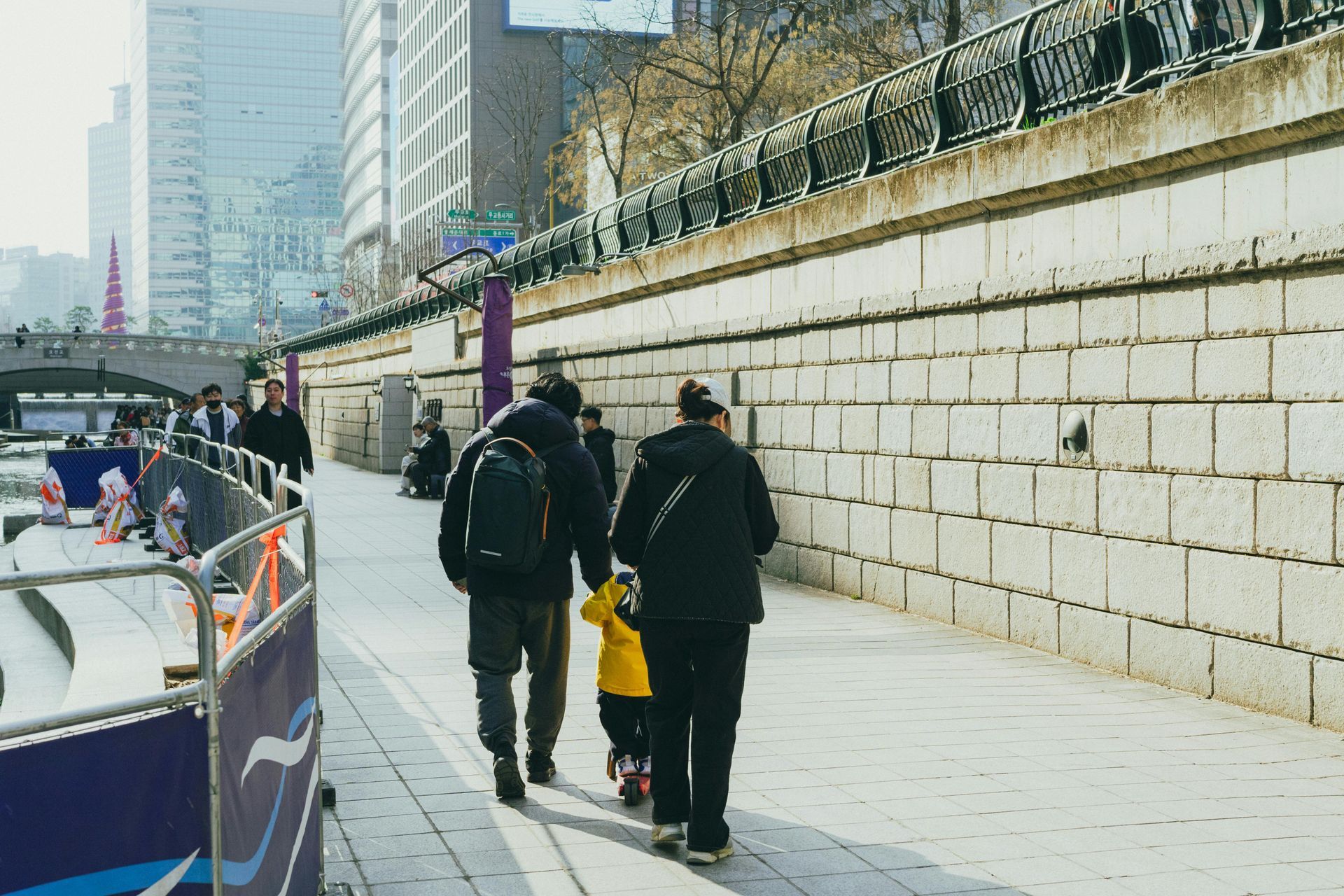
The Greater Atlanta metro area — and Gwinnett County in particular — is home to one of the largest Korean-American populations outside of Los Angeles. Cities like Duluth, Suwanee, Norcross, and Buford have become home to tens of thousands of Korean immigrants and Korean-Americans, many of whom arrived within the last two decades.
That community represents a wide range of immigration situations: family-based petitions, employment visas, green card applications, naturalization, and in some cases, removal proceedings. Each of those situations carries real legal stakes — and each benefits enormously from an attorney who understands not just the language but the cultural context behind it.
Community Context: Gwinnett County is home to residents from over 100 countries, and Korean-Americans represent one of the largest and most established immigrant communities in the region. The demand for Korean-speaking legal professionals in immigration, personal injury, and real estate law has grown steadily alongside that population.
What Gets Lost Without a Native-Language Attorney
The risks of relying on interpreters — or on an attorney who doesn't speak your language — are more significant than most people realize.
Translation errors in legal documents
Immigration filings require precise language. A translated supporting document that uses an imprecise term, renders a name inconsistently, or misrepresents a date can trigger a Request for Evidence from USCIS — or worse, a denial. An attorney fluent in Korean reads your documents the way you understand them, catching discrepancies before they become problems.
Miscommunication during consultations
Describing your immigration history accurately requires nuance. When did you last enter the country? What was the exact purpose of a prior visa? Were there any violations, overstays, or prior applications? These aren't simple questions — and the answers matter enormously. A third-party interpreter changes the dynamic of that conversation in ways that can affect what gets recorded and how.
Missed cultural context
Immigration law isn't just procedural — it involves personal history, family relationships, employment situations, and life circumstances that don't always translate cleanly across cultures. An attorney who understands Korean family structures, naming conventions, and documentation norms brings a layer of cultural fluency that a general practitioner simply doesn't have.
The Hidden Cost of Using a Third-Party Interpreter
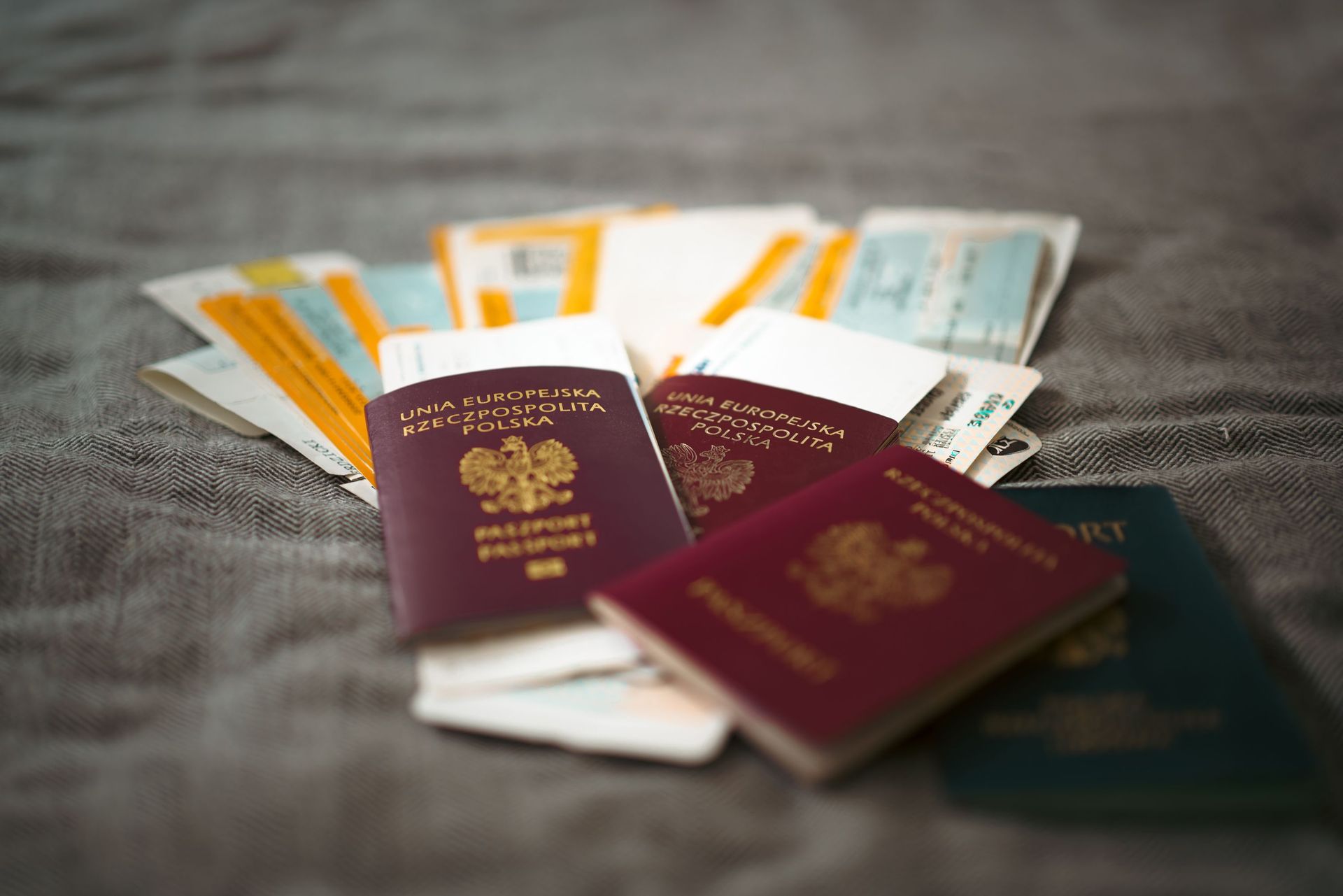
Some clients try to solve the language gap by hiring an independent interpreter to sit in on consultations or translate documents. This approach has real costs — financial and practical.
Professional interpreter services aren't cheap, and they add a layer of coordination to every meeting and every filing. More importantly, the interpreter becomes an intermediary between you and your attorney. Questions get filtered. Answers get summarized. The attorney never fully understands what you're actually saying, and you never fully understand what they're actually recommending.
Working directly with a Korean-speaking attorney collapses that gap entirely. The conversation is direct. The understanding is mutual. And when something needs to be clarified, it gets clarified — not approximated.
Beyond Immigration: Language Support Across Practice Areas
For Korean-speaking clients in Gwinnett County, the need for native-language legal support doesn't stop at immigration law.
Real estate transactions — closings, title disputes, contract review — involve documents that are dense and consequential. Personal injury cases require clients to accurately describe injuries, timelines, and circumstances to their attorney. In both areas, a language gap creates risk.
The Law Offices of Koo & Sobotta, P.C. has spent over 35 years building a practice in the Greater Atlanta area specifically designed to serve multilingual clients with the same level of care and precision as any English-speaking client. With fluency in Korean, Mandarin, Cantonese, Spanish, and Vietnamese, Attorney Andrew Koo and the Koo & Sobotta team handle immigration matters, personal injury cases, and real estate closings — all under one roof, all in your language.
From the Practice: In our experience, clients who work with an attorney in their native language are more confident, more forthcoming with important details, and more satisfied with the process — regardless of the outcome. Clear communication isn't just good service. It's good lawyering.
What to Look for in a Korean-Speaking Immigration Lawyer in Georgia
If you're evaluating attorneys, here are the questions worth asking:
- Is Korean your primary language, or do you use interpreters? There's a significant difference between an attorney who is fluent and one who relies on staff or services to translate.
- What percentage of your immigration caseload involves Korean-speaking clients? Experience with the community matters as much as language skill.
- Do you handle the full range of immigration cases? Visas, green cards, naturalization, and removal defense require different expertise.
- Are you also available for personal injury or real estate matters? Having one trusted attorney across multiple areas simplifies your life significantly.

Your Language Is Part of Your Case
The right immigration attorney isn't just someone who knows the law — it's someone who understands you. In a field where precision, trust, and clear communication determine outcomes, native-language representation is one of the most practical advantages a client can have.
If you're looking for a Korean-speaking immigration lawyer in Duluth, Suwanee, or anywhere in the Greater Atlanta area, contact the Law Offices of Koo & Sobotta for a consultation. The conversation starts in your language.
FAQs
Q: What's the best way to find a Korean-speaking immigration lawyer near me in Georgia?
Start by looking for attorneys who list Korean as a primary language, not just a secondary service, and who have a demonstrated caseload serving the Korean-American community in Gwinnett County or the Greater Atlanta area. Ask directly during your first call whether consultations are conducted in Korean without an interpreter. A firm that serves this community regularly will handle the question without hesitation.
Q: Can a Korean-speaking attorney help with non-immigration legal matters too?
Yes, and it's worth prioritizing. Many Korean-speaking clients in Georgia need legal support across immigration, personal injury, and real estate. Having one bilingual attorney who handles all three eliminates the need to build trust with multiple firms and reduces the risk of communication gaps in any area of your legal life.