

Top Legal Pitfalls in Buying Investment Property in Georgia
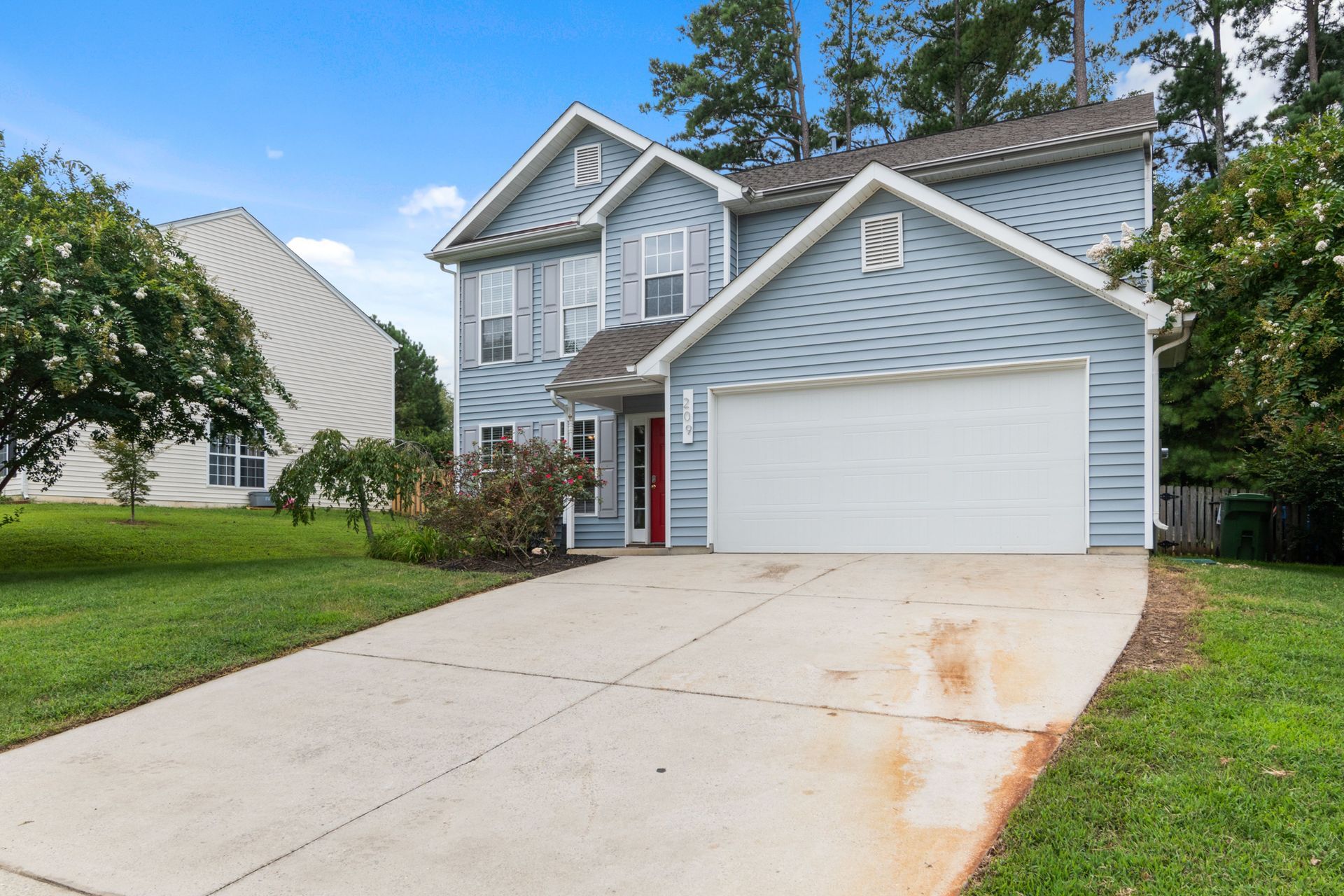
An investment property can look excellent on a spreadsheet and still carry legal problems that change the value of the deal. A buyer may calculate rent, repairs, taxes, and financing, yet overlook an unrecorded lease, a zoning restriction, an access issue, or a contract deadline that removes an important protection.
The safest time to uncover those concerns is before the due-diligence period expires. Working with a
commercial real estate attorney early gives an investor time to review the transaction as a business decision, not just a property purchase.
These are some of the most common legal pitfalls Georgia investors should investigate.
Treating the Purchase Agreement Like a Routine Form
The contract controls what the buyer may inspect, when objections must be made, which party bears particular costs, and what happens if the transaction does not close. A form may be familiar, but the deal-specific language can change the result.
Pay close attention to the legal description, purchase price, earnest money, due-diligence period, financing contingency, closing date, permitted title exceptions, repair obligations, personal property, tenant-related terms, and special stipulations. If the property is being purchased through an LLC or another entity, confirm the buyer's exact legal name before signing. An assignment or late name change may not be allowed without the seller's consent.
Investors should also understand whether their earnest money is refundable, which events permit termination, and how notice must be delivered. A right that is not exercised on time may be lost.
Failing to Match the Property to the Intended Use
Owning a property does not automatically mean it can be used in every profitable way. Zoning rules, special-use requirements, building codes, occupancy limits, parking standards, signage rules, and short-term rental restrictions can affect the plan.
For a residential investment, review homeowners association declarations, covenants, rental caps, leasing minimums, and approval procedures. For a retail, office, industrial, or mixed-use purchase, confirm that the current and intended uses are permitted. Do not rely only on the seller's description or the property's present use. A use can be lawful but nonconforming, limited by conditions, or dependent on a permit that will not transfer.
Written confirmation from the appropriate local authority may be worth the time, especially when the investment depends on redevelopment, higher occupancy, exterior changes, or a different use.
Skipping a Careful Title and Survey Review
The title examination identifies matters that may affect ownership, but investors should understand what those matters mean in practice. Liens, easements, restrictive covenants, prior deeds, judgments, tax issues, mineral rights, access rights, and boundary conflicts can affect both operations and resale.
A current survey may reveal that a fence, driveway, parking area, sign, building, or utility line crosses a boundary or sits within an easement. The legal description should match the property the buyer believes is being purchased. For a multi-parcel acquisition, confirm that every required parcel, access point, and parking area is included.
Experienced
Georgia real estate closing attorneys can explain title exceptions, coordinate curative work, and help a buyer decide which matters must be resolved before closing.
Assuming Existing Leases Tell the Whole Story
A tenant-occupied property should be reviewed as an operating business. Read every lease, amendment, renewal, guaranty, side agreement, and notice. Compare the documents with the rent roll, payment history, security deposits, tenant ledger, and seller's financial statements.
Important questions include:
- Are tenants current on rent?
- Do any tenants have renewal, expansion, purchase, or termination rights?
- Has the landlord promised improvements or rent concessions?
- Who owns fixtures and equipment?
- Are there unresolved maintenance complaints or defaults?
- Will security deposits and prepaid rent be transferred correctly?
- Do leases require tenant consent or notice when ownership changes?
Estoppel certificates can help confirm key lease facts directly with tenants. They should be reviewed against the lease rather than treated as a substitute for it.
Underestimating Environmental and Physical Risks
A standard inspection may not identify every environmental concern. Depending on the property's history and use, due diligence may involve records review, a Phase I environmental site assessment, testing, or specialist reports. Former fuel stations, dry cleaners, industrial sites, agricultural land, and older buildings can present issues that are expensive to address.
Flood-zone status, drainage, wetlands, stormwater obligations, underground tanks, asbestos, lead-based paint, mold, and prior contamination can affect financing, insurance, use, and resale. The right investigation depends on the property. A buyer should coordinate legal, engineering, environmental, and insurance advice rather than assuming one report covers every risk.
Ignoring Entity Authority and Personal Guarantees
Buying through an LLC can serve legitimate business and liability-planning purposes, but the entity must exist, remain in good standing, and have authority to complete the purchase and loan. The closing team may need formation documents, operating agreements, resolutions, certificates, tax identification information, and identification for authorized signers.
An entity does not automatically eliminate personal exposure. Lenders often require personal guarantees, and contracts may create personal obligations if signed incorrectly. Investors should understand exactly who is borrowing, who owns the property, who guarantees the debt, and how title will be held. Separate legal, tax, insurance, and accounting advice may be appropriate.
Waiting Too Long to Review Financing Terms
Commercial and investor loans may include prepayment penalties, balloon payments, variable rates, financial-reporting duties, occupancy requirements, reserve accounts, assignment restrictions, and personal guarantees. A loan that helps the purchase close may still limit the investor's exit strategy.
Confirm that loan deadlines align with the purchase contract. If approval is delayed beyond the financing contingency, the buyer could face a difficult decision about extending the agreement, risking earnest money, or proceeding without a final commitment. Keep the lender informed about entity structure, intended use, leases, repairs, and other facts that could affect underwriting.
Overlooking Taxes, Insurance, and Operating Obligations
The prior owner's expenses may not predict the buyer's costs. A sale can affect tax valuation. Insurance may change based on occupancy, claims history, age, condition, flood risk, vacancy, or intended use. An association may have pending assessments. A property may require licenses, permits, inspections, or maintenance obligations that do not appear in a simple income statement.
If the transaction is part of a possible Section 1031 exchange, involve a qualified tax advisor and intermediary before the sale or purchase closes. The closing attorney can coordinate documents, but tax treatment depends on rules and facts beyond the deed itself.
Rushing Through Closing and Post-Closing Work
Before closing, compare the final settlement statement with the contract and lender terms. Confirm credits, prorations, deposits, commissions, payoffs, and fees. Verify wire instructions by calling a known number. Review the deed and loan documents for correct names and property descriptions.
After signing, confirm funding and recording. Store the title policy, survey, leases, settlement statement, environmental reports, entity resolutions, loan documents, warranties, and tenant records in one secure location. Update insurance, management contacts, rent-payment instructions, utilities, and required tenant notices promptly.
For a smaller rental property, a
residential real estate attorney may address many of the same concerns in a setting that looks more like a home purchase. The number of units does not determine whether a title, lease, zoning, or financing problem is important.
Review the Deal Before the Deadline Controls It
Investment-property due diligence is not about finding a reason to walk away from every transaction. It is about knowing what you are buying, which risks can be fixed, and which risks should be reflected in the price or contract terms.
The Law Offices of Koo & Sobotta assists Georgia investors with contract review, title examination, document preparation, and closing coordination. To discuss a planned purchase or a concern discovered during due diligence,
contact the firm while your contractual options are still open.
This article provides general information, not legal or tax advice. Rights, deadlines, and risks depend on the contract, property, financing, and facts of each transaction.